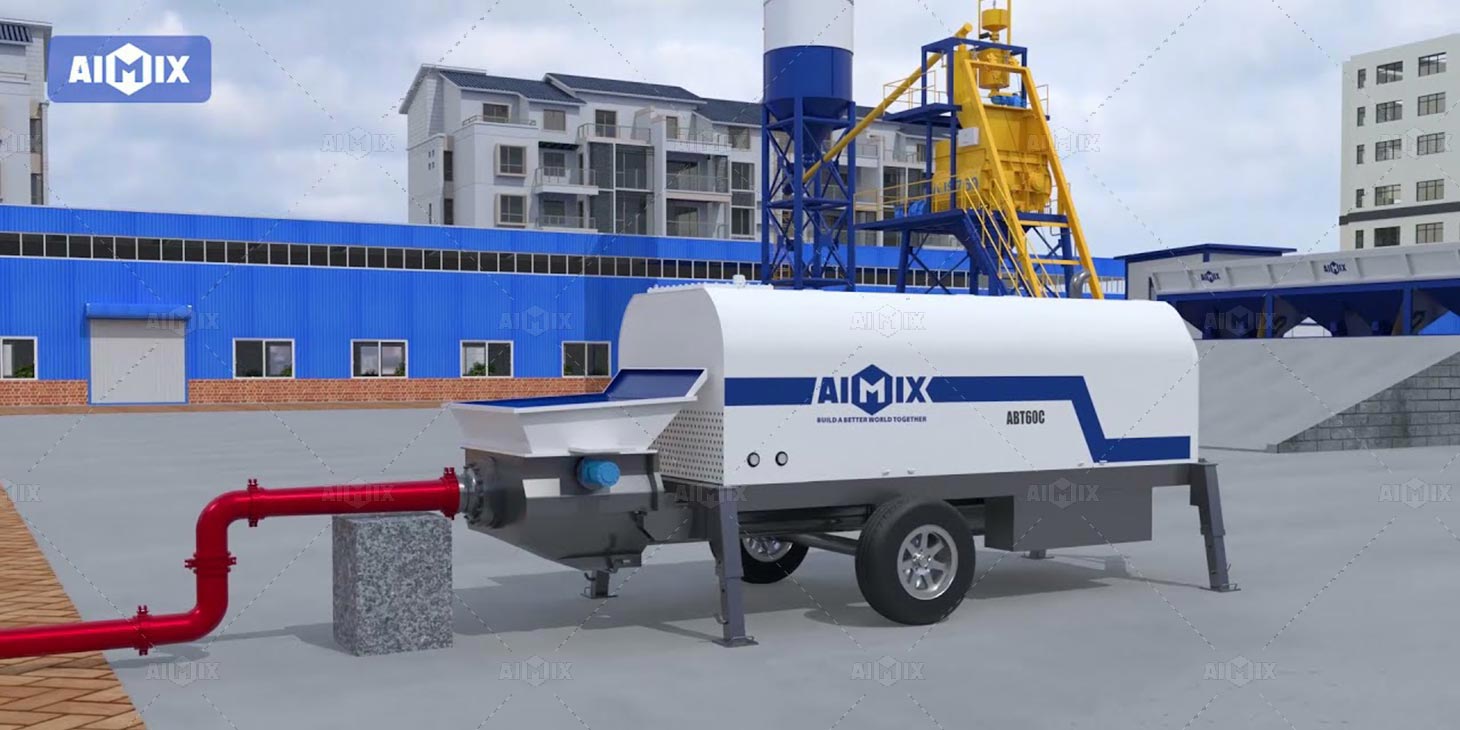
The hydraulic system pressure within a concrete line pump is the fundamental determinant of its operational efficacy, governing everything from volumetric flow rate to pipeline friction losses and the structural integrity of the entire pumping circuit. This pressure, typically measured in bar or megapascals, is not a static value but a dynamic variable that must be meticulously managed to achieve optimal performance. The relationship between system pressure and pumping efficiency is non-linear and complex, influenced by a multitude of factors including concrete rheology, pipeline configuration, and equipment design. An in-depth technical comprehension of this relationship is essential for maximizing throughput, minimizing energy consumption, and preventing costly failures. This overview will dissect the critical interdependencies between system pressure and the key performance metrics of a line concrete pump, providing a framework for achieving precision in high-stakes concrete placement operations.
## Hydraulic Pressure Fundamentals and Concrete Rheology
The core function of the hydraulic system in a line pump is to generate sufficient force to overcome the cumulative resistance to flow within the pipeline. This resistance, known as the system pressure requirement, is primarily dictated by the rheological properties of the concrete being pumped. The yield stress and plastic viscosity of the concrete mix define the pressure needed to initiate flow (yield pressure) and subsequently maintain it. A mix with high yield stress, often resulting from low slump or high fines content, demands a significantly higher pressure to overcome static friction and commence movement. Once flow is initiated, the plastic viscosity dictates the pressure required to sustain that flow against viscous drag within the pipeline. Therefore, system pressure must be dynamically adjusted, beginning with a higher impulse to overcome yield stress before settling to a level that maintains the desired flow rate against the prevailing viscous forces. Inadequate pressure results in sluggish flow, pipeline packing, and eventual blockage, while excessive pressure wastes energy, increases component wear, and elevates the risk of pipeline failure or concrete segregation.
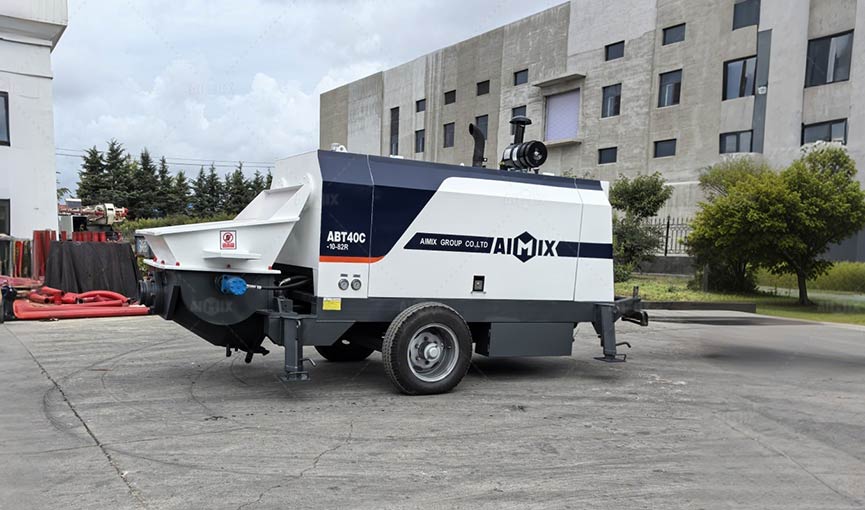
The interaction between pressure and concrete rheology extends to the phenomenon of lubrication layer dynamics. During pumping, a thin layer of cement paste and fine particles forms at the interface between the concrete and the pipeline wall. The stability and thickness of this lubrication layer are pressure-dependent. Optimal system pressure promotes and maintains a stable layer, drastically reducing friction and thereby the pressure required for sustained flow. Conversely, pressure spikes or instability can shear and destroy this lubricating layer, causing a rapid, exponential increase in friction and a corresponding surge in required system pressure. Modern stationary concrete pumps employ sophisticated control systems that monitor pressure in real-time, allowing for micro-adjustments to the hydraulic output to maintain the pressure within a band that supports a stable lubrication layer, thereby optimizing efficiency and protecting the mix from deleterious shear-induced segregation.
## Pipeline Dynamics and Pressure Loss Optimization
The configuration and condition of the delivery pipeline are paramount variables in the system pressure equation. Pressure loss per linear meter is a function of pipeline diameter, surface roughness, and the number and severity of directional changes. Each elbow, bend, or reducer in the line introduces a localized pressure drop, quantified as an equivalent length of straight pipe. A circuit with multiple tight bends can double or triple the effective pipeline length for pressure loss calculations. Consequently, system pressure must be calibrated not just for vertical and horizontal reach, but for the specific friction losses imposed by the pipeline’s routing. Efficient system design prioritizes the use of the largest practicable pipeline diameter and minimizes the number of bends to reduce the cumulative friction loss, thereby lowering the overall system pressure requirement for a given flow rate.
Beyond static configuration, transient pressure phenomena present significant challenges. Water hammer, a pressure surge caused by the rapid deceleration of the concrete column (eg, from sudden valve closure or pump stroke reversal), can generate instantaneous pressure peaks several times higher than the normal operating pressure. These surges stress pipe clamps, seals, and the pump’s hydraulic components. Advanced line pumps integrate hydraulic accumulators and soft-start/soft-stop valving to dampen these transients, protecting the integrity of the system. Furthermore, the gradual buildup of material adherence (buildup) on the internal pipe wall increases surface roughness over time, incrementally raising the friction factor and thus the system pressure needed to maintain flow. This underscores the necessity of rigorous pipeline maintenance and a system pressure monitoring regime that can identify the gradual creep indicative of buildup, allowing for corrective cleaning before a blockage occurs.

## System Efficiency, Component Wear, and Energy Consumption
The efficiency of a concrete trailer pump is defined as the ratio of useful hydraulic power delivered to the concrete column versus the mechanical input power from the prime mover. System pressure sits at the heart of this equation. Operating at a pressure significantly below the pump’s maximum capability for a given pipeline is inefficient, as the pump is not utilizing its full potential, effectively moving less material per unit of energy consumed. However, operating consistently at the upper limit of the pressure envelope is also sub-optimal; it drastically accelerates wear on critical components—such as the main hydraulic cylinders, pumping pistons, and S-tube wear plate—and forces the diesel engine or electric motor to operate at peak load, increasing fuel consumption and thermal stress. The optimal efficiency point typically lies between 70% and 85% of the pump’s maximum rated pressure for a specific pipeline setup, balancing output with longevity and energy use.
Precise pressure management is therefore a direct lever for controlling the total cost of operation. Modern pump controllers use pressure feedback to modulate the engine speed and hydraulic pump displacement in real-time. Instead of running at a constant high RPM, the system increases power only when sensors detect a rising pressure demand, such as during vertical placement or when pumping through a restrictive section. This load-sensing approach minimizes fuel consumption during easier pumping phases. Furthermore, intelligent pressure control mitigates wear. By preventing excessive pressure spikes and maintaining a stable operating point, the cyclic fatigue on structural components is reduced, and the abrasive wear on the concrete-contacting parts is minimized. In essence, a deep technical understanding and precise control of system pressure transforms it from a mere operational parameter into the key tool for maximizing the mechanical efficiency, economic performance, and service life of the entire line pump system.

Comments
No comments yet. Be the first to react!