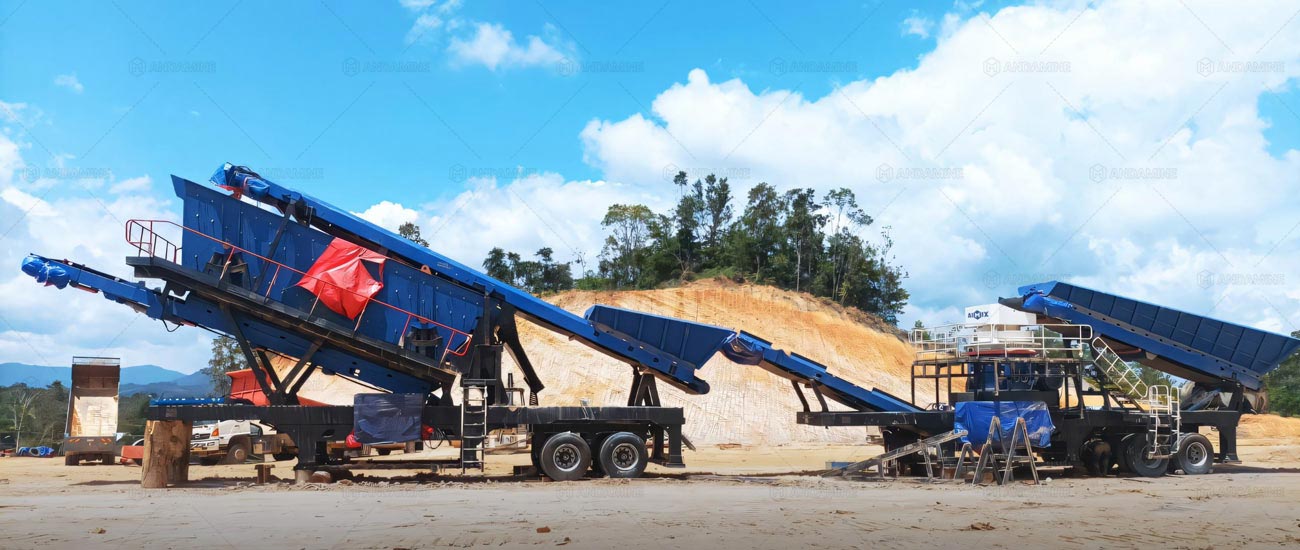
The lifecycle of major infrastructure, mining, and large-scale development projects in Latin America often follows a distinct pattern: an initial construction boom, a transition to steady-state operations or secondary development phases, and finally, maintenance and eventual decommissioning. It is during the critical and often complex “transition phase” that project economics and logistics are most vulnerable. This phase may involve scaling down from peak construction, developing satellite sites, building permanent access roads, or commencing early site rehabilitation. For project managers, securing a cost-effective and flexible supply of construction aggregates during this period is a paramount challenge. This raises a pivotal question: Are mobile aggregate plants the optimal solution for this specific project stage? The evidence from projects across the continent suggests that, in many cases, a mobile stone crusher is not merely suitable but strategically advantageous, offering unmatched flexibility where traditional, stationary aggregate crusher plant(planta chancadora de agregados) models falter.
Defining the "Transition Phase" and Its Aggregate Demands
To understand the suitability of mobile plants, we must first define the transition phase's characteristics, which directly influence material supply strategy.
Characteristics of the Transition Phase
This phase is marked by shifting, often unpredictable, aggregate demands. The massive, continuous need of initial earthworks and concrete production gives way to intermittent, smaller-scale, and geographically dispersed requirements. This could include:
- Building permanent camp facilities or administrative buildings after the initial temporary setup.
- Constructing secondary access roads to different mine pits or project zones.
- Producing aggregates for soil stabilization and erosion control on disturbed land.
- Supplying material for community infrastructure projects as part of social license agreements.
- Processing overburden or low-grade material for on-site use in backfilling or drainage.
The Limitations of Stationary Plants in This Phase
A large, permanent stone crusher plant(planta trituradora de piedra en venta), while efficient at peak production, becomes a liability during transition. Its high fixed costs (maintenance, power, personnel) are difficult to justify with lower throughput. Furthermore, its fixed location may be far from new, scattered work fronts, leading to high internal haulage costs. Relying on commercial quarries can be expensive and logistically unreliable, especially for remote projects.
The Strategic Advantages of Mobile Plants in Transition
Mobile crushing and screening units are uniquely equipped to address the fluid demands of the transition phase, turning logistical challenges into managed efficiencies.
Unparalleled Flexibility and Rapid Redeployment
The core strength of a mobile stone crusher(trituradora movil de piedra) is its inherent mobility. A single unit can be moved from a depleted primary stockpile area to a new satellite development zone within days, not months. This allows the project to follow the aggregate source or bring production directly to the new point of consumption. For example, once primary processing plant construction is complete, the same mobile plant can be relocated to produce road base for the permanent haul road network, maximizing asset utilization without new capital expenditure.
Right-Sizing Production and Cost Control
Transition phases do not require 500-ton-per-hour output. Mobile plants come in various sizes, allowing project managers to “right-size” their aggregate production. Deploying a smaller, efficient mobile plant matches output to actual demand, minimizing idle time and energy waste. This operational agility directly controls the cost-per-ton of material, which is crucial when project budgets are under review and every expense is scrutinized. For companies evaluating a stone crusher plant for sale, a mobile unit represents a lower-risk investment for this non-peak phase, with a clearer path to redeployment on another future project.
On-Site Processing of Diverse Material Streams
During transition, projects often have abundant “waste” rock or low-grade material from earlier phases. A mobile plant can be set up to process this on-site material into valuable products. Crushing overburden for drainage layers or using excavation rock from a new tailings dam site for road gravel eliminates both disposal costs and the need to purchase virgin aggregate. This circular economy approach is both economically and environmentally strategic.
Practical Application Scenarios in Latin American Projects
The theory is borne out in practical, common scenarios across the region's long-term projects.
Mining Project: From Construction to Mine Site Infrastructure
A copper mine in the Atacama completes its concentrator plant. The stationary primary crusher is now dedicated to ore. The transition phase requires aggregates for a new filtered tailings facility, workshop buildings, and upgraded on-site housing. A tracked mobile cone crusher and screen are deployed to a permitted on-site quarry zone away from the ore body. It produces precisely the needed materials for these scattered tasks, avoiding interference with core mining operations and eliminating off-site procurement.
Hydroelectric Dam Project: Main Dam to Transmission Corridors
After the main dam and powerhouse construction, the project transitions to building hundreds of kilometers of access roads for transmission line towers through mountainous terrain. Transporting aggregates from the main dam's batching plant is prohibitively expensive. Multiple smaller mobile stone crusher units are deployed along the transmission corridor, sourcing material from local, approved borrow pits. This setup drastically reduces haul distances and keeps the linear project on schedule.
Highway Corridor Project: Phased Construction and Upgrades
A multi-year highway expansion project moves from one completed segment to the next. Instead of establishing a new fixed plant for each segment or hauling aggregates longitudinally, the contractor uses a mobile crushing fleet that "leapfrogs" ahead of the paving crew. The plant processes local bedrock or recycled concrete from old roadbeds, providing a sustainable and logistically sound supply chain that moves with the project's front.
Key Considerations for Successful Implementation
While suitable, successful deployment requires careful planning:
- Material Analysis: The plant's crusher type (jaw, cone, impact) must be selected based on the hardness and abrasiveness of the on-site or local rock.
- Support Infrastructure: Even mobile units require a stable, well-drained setup area, access to power (often via onboard generators), and water for dust suppression.
- Operational Expertise: Crews need specific training for safe and efficient mobile plant operation, including rapid setup/teardown and routine maintenance in field conditions.
- Regulatory Compliance: Permits for temporary crushing locations and adherence to local dust and noise regulations remain essential, even for mobile setups.
Conclusion: The Agile Enabler of Project Evolution
For the complex, cost-sensitive transition phases of Latin America's long-term projects, mobile aggregate plants are not just suitable—they are a strategic enabler of efficiency and adaptability. They provide the critical link between the high-intensity initial build and the steady-state operational life of an asset, offering a flexible, cost-effective, and intelligent solution for aggregate supply. By enabling on-demand, right-sized production at the point of need, they help project managers control costs, manage logistics, and implement sustainable material practices. When evaluating equipment strategy for a project's lifecycle, the decision isn't merely about choosing a stone crusher plant for sale; it's about recognizing that a mobile stone crusher is often the definitive tool for navigating the uncertain and variable transition, ensuring the project's long-term success from one phase to the next.

Comments
No comments yet. Be the first to react!