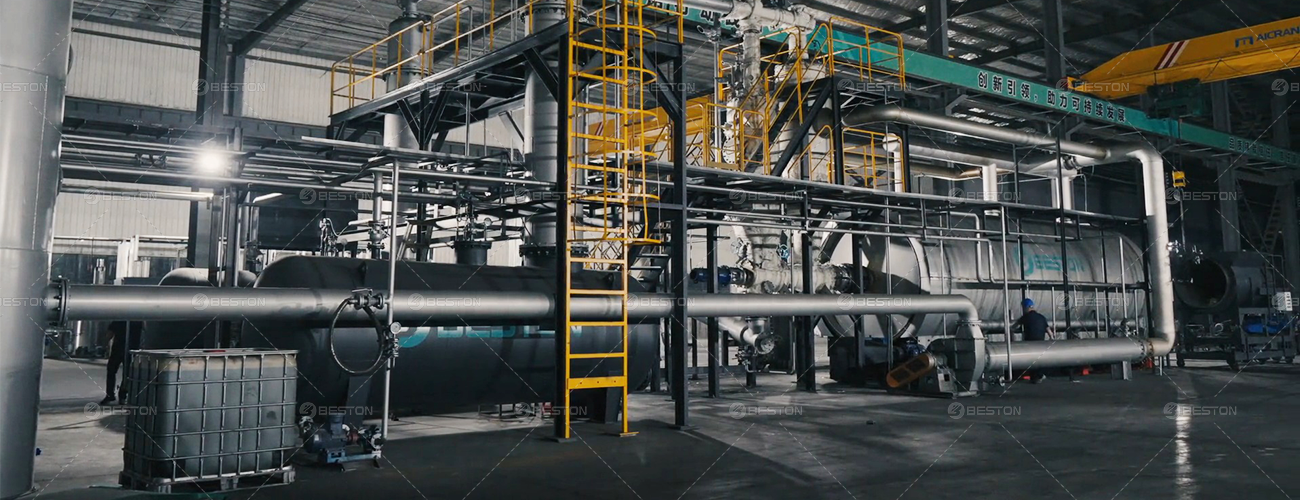
Plastic pyrolysis systems operate through thermal decomposition of hydrocarbon-based polymers in an oxygen-deficient environment. While this process enables valuable resource recovery, it inherently involves elevated operational risks due to high temperatures, combustible gases, pressurized systems, and complex chemical intermediates.
Unlike conventional mechanical recycling, plastic pyrolysis introduces a multi-phase hazard environment where thermal, chemical, and mechanical risks interact. Effective safety design is therefore not an auxiliary consideration but a core engineering requirement that defines operational viability.
Feedstock-Related Safety Hazards
Contamination and Reactive Impurities
The safety profile of a plastic pyrolysis machine is strongly influenced by feedstock composition. Waste plastic streams may contain:
- Chlorinated polymers
- Residual solvents
- Metal contaminants
- Moisture content variability
- Mixed polymer fractions
Certain contaminants can generate corrosive gases or unstable reaction byproducts during thermal processing, increasing operational risk.
Feedstock Pre-Treatment Requirements
Proper pre-processing significantly reduces hazard potential. Standard safety-oriented measures include:
- Magnetic separation of metals
- Shredding and homogenization
- Moisture reduction systems
- Chlorine content screening
Failure to control feedstock quality can lead to unstable reactor conditions and unpredictable emissions.

Thermal Runaway and Reactor Safety Control
Temperature Instability Risks
Plastic pyrolysis reactor operates at elevated temperatures typically ranging from 350°C to 600°C. Within this range, minor deviations in heat input or feedstock composition can trigger thermal instability.
Potential consequences include:
- Accelerated gas generation
- Pressure surges
- Incomplete cracking reactions
- Localized overheating zones
Multi-Layer Temperature Control Systems
Modern safety engineering relies on redundant thermal management strategies such as:
- Distributed temperature sensors
- Automated feedback control loops
- Emergency cooling circuits
- Independent safety shutdown systems
These mechanisms ensure that deviations are detected and corrected before reaching critical thresholds.
Pressure Accumulation and Gas Handling Risks
Non-Condensable Gas Behavior
Plastic pyrolysis generates significant volumes of non-condensable gases, including light hydrocarbons and hydrogen-rich mixtures. If not properly managed, these gases can accumulate within the system.
Risk scenarios include:
- Overpressure in reactor vessels
- Pipeline rupture
- Flash ignition events
- Backflow incidents
Pressure Relief Engineering
Effective mitigation requires integrated pressure control infrastructure:
- Pressure relief valves
- Gas buffer tanks
- Flare or combustion units
- Automated venting systems
These components ensure that abnormal pressure conditions are safely discharged or neutralized.
Flammability and Explosion Risk Management
Hydrocarbon Vapor Sensitivity
Pyrolysis oil and intermediate vapors are highly flammable under specific temperature and concentration conditions. This creates a dual-phase explosion risk involving both gas-phase and liquid-phase hydrocarbons.
Explosion Prevention Systems
Key preventive measures include:
- Inert gas blanketing (nitrogen systems)
- Oxygen monitoring and exclusion
- Anti-static grounding systems
- Flame arrestors in gas lines
These systems collectively reduce ignition probability and propagation potential.
Condensation and Liquid Handling Safety
Volatile Hydrocarbon Management
Condensation systems recover liquid hydrocarbons from pyrolysis vapors. However, these liquids may contain unstable fractions with low flash points.
Safety risks include:
- Vapor leakage
- Storage tank overpressure
- Liquid volatilization
- Spill-related ignition hazards
Safe Storage Infrastructure
Proper engineering design requires:
- Sealed storage tanks with pressure control
- Temperature-regulated storage zones
- Secondary containment systems
- Vapor recovery units
These features ensure safe handling of recovered oil products.
Solid Residue Handling Risks
Char Dust and Particulate Hazards
Solid residues from plastic pyrolysis often include fine carbonaceous particles that may present:
- Dust explosion risks
- Respiratory hazards
- Static charge accumulation
- Fire propagation potential
Dust Control Engineering
Effective mitigation includes:
- Enclosed material handling systems
- Dust extraction and filtration units
- Humidity control measures
- Anti-static material transfer systems
Proper design minimizes both occupational and process safety risks.
Mechanical System Safety Considerations
Equipment Wear and Failure Modes
Continuous operation of shredders, conveyors, and feeding systems introduces mechanical risks such as:
- Bearing failure
- Belt misalignment
- Motor overheating
- Structural fatigue
These failures can indirectly trigger process instability if feedstock flow is disrupted.
Predictive Maintenance Systems
Modern facilities reduce mechanical risk through:
- Vibration monitoring systems
- Infrared temperature scanning
- Predictive maintenance algorithms
- Scheduled component replacement
Early detection of wear conditions prevents cascading failures.
Fire Protection and Emergency Response Design
Multi-Stage Fire Suppression Systems
Given the combustible nature of inputs and outputs, fire protection must be multi-layered:
- Automatic fire detection sensors
- Foam or dry chemical suppression systems
- Water spray cooling networks
- Zoned isolation capabilities
Emergency Shutdown Protocols
A critical safety requirement is the ability to rapidly isolate and shut down the entire process chain. Emergency systems typically include:
- Automatic feedstock cutoff
- Reactor isolation valves
- Gas system bypass routing
- Controlled cooling sequences
These systems prevent escalation during abnormal conditions.
Control System Reliability and Cyber-Physical Safety
Automation Dependency Risks
Plastic pyrolysis plants rely heavily on automated control systems. Failure in these systems can lead to uncontrolled thermal or pressure conditions.
Redundant Control Architecture
To enhance reliability, safety-critical systems are often designed with:
- Dual-redundant PLC systems
- Independent safety instrumented systems (SIS)
- Fail-safe default states
- Real-time diagnostic monitoring
This layered architecture ensures operational continuity and safe shutdown capability.
Human Factors and Operational Discipline
Operator Training Requirements
Human error remains a significant contributor to industrial accidents. Comprehensive training programs must cover:
- Emergency response procedures
- Equipment operation protocols
- Hazard recognition techniques
- Standard operating procedures compliance
Safety Culture Integration
Sustainable risk mitigation depends on embedding safety awareness into daily operations rather than treating it as a compliance obligation.
Engineering a Safer Plastic Pyrolysis Ecosystem
Plastic pyrolysis inherently involves complex thermal and chemical processes that require rigorous safety engineering. Effective hazard mitigation depends on integrated system design across feedstock management, reactor control, gas handling, liquid storage, and solid residue processing.
When properly engineered, these systems can significantly reduce operational risks while maintaining efficient resource recovery. Safety in plastic pyrolysis is not achieved through isolated safeguards but through a cohesive architecture of redundancy, monitoring, and disciplined operational control.

Comments
No comments yet. Be the first to react!