Embarking on an orthodontic journey with your child is a decision that balances long-term health benefits with the immediate practicalities of their daily life. As primary teeth make way for permanent ones, the development of the jaw and the alignment of the dental arches become critical indicators of future oral function. In many residential areas near the West Coast, families seek clarity on when to begin treatment and which appliance system best suits their child’s temperament and activities. This guide provides a neutral, detailed exploration of the modern orthodontic landscape, from the importance of early intervention to the maintenance of corrective hardware. By understanding the biological and logistical aspects of these treatments, parents can ensure their children achieve a functional, healthy, and confident smile that lasts throughout their adult years.
Navigating the choices between traditional fixed appliances and modern removable trays requires a clear perspective on how each system interacts with a growing child’s anatomy. While aesthetics are often the first concern for older children, the primary goal of any orthodontic intervention is to ensure an even bite and proper tooth spacing, which facilitates easier cleaning and prevents premature wear. This article outlines the essential stages of the process, including the role of diagnostic technology and the necessity of strict aftercare. With professional guidance from a trusted dental team, the transition from a crowded or misaligned smile to a perfectly harmonised one becomes a manageable and rewarding experience for the entire family.
Key Takeaways:
-
Early screening helps manage jaw development and tooth eruption patterns.
-
Fixed metal braces are a durable and reliable solution for all ages.
-
Clear aligners offer a discreet, removable option for responsible older children.
-
Adapting hygiene and diet is essential to prevent enamel damage during care.
-
Diligent use of retainers is mandatory to maintain results after treatment ends.
The Strategic Importance of Early Screenings
The foundation of a successful orthodontic outcome is often laid during an initial screening, which is ideally recommended around the age of seven. At this stage, the child typically possesses a combination of baby teeth and their first permanent molars, providing a clear window for a professional to evaluate how the upper and lower jaws meet. Early identification of issues such as crossbites, protruding front teeth, or severe crowding allows for interceptive measures that utilise the child’s natural growth to guide the teeth into a better position.
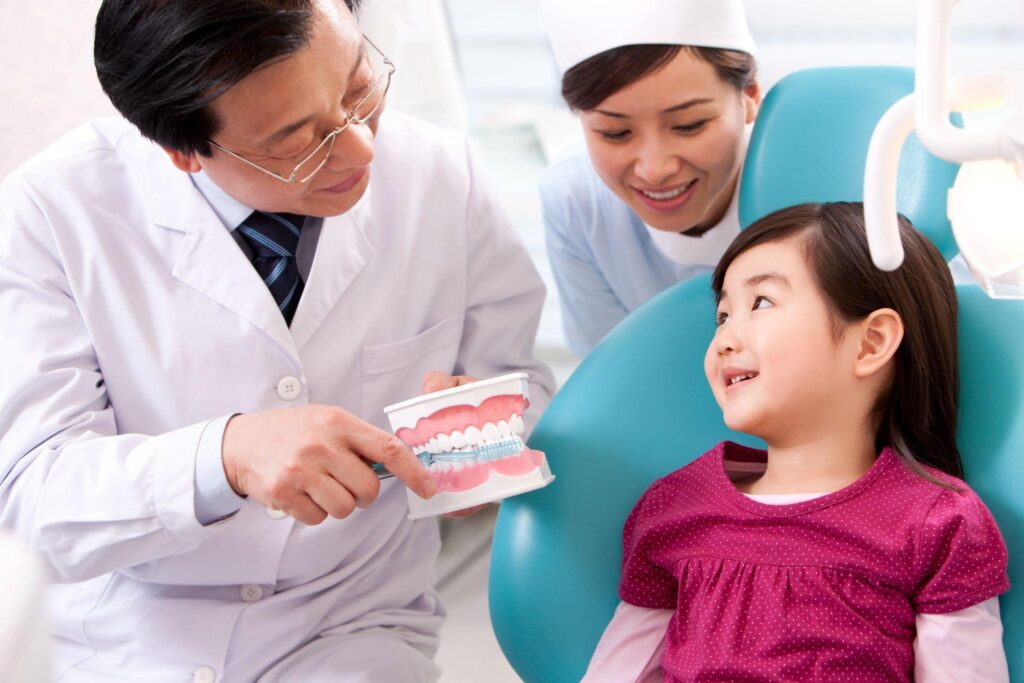
By addressing these developmental concerns early, a practitioner can often reduce the complexity of future treatments or even avoid the need for more invasive procedures, such as surgical tooth extractions, later in life. This proactive phase is not always about fitting braces immediately; rather, it focuses on monitoring the eruption of adult teeth and ensuring there is adequate space in the dental arches. Establishing a relationship with a local professional, such as a dentist at West Coast, ensures that these developmental milestones are tracked consistently, allowing for intervention at the most biologically opportune moment.
Comparing Fixed Braces with Modern Aligners
Traditional fixed braces remain the most frequent recommendation for children due to their exceptional precision and robustness. This system uses stainless steel or ceramic brackets bonded to the teeth, connected by a flexible archwire that applies a steady, gentle force to move teeth into alignment. The primary advantage for many families is that the appliance is non-removable, which eliminates the risk of it being misplaced or forgotten. This “set and forget” reliability is particularly beneficial for active younger children who may find the discipline required for removable systems difficult to manage.
Clear aligners, such as the Invisalign Teen system, offer a vastly different experience by utilising a series of custom-fabricated, transparent plastic trays. These are highly popular among older children and teenagers who may be self-conscious about the visibility of metal hardware during school social events or sports. While aligners offer the advantage of being virtually invisible and removable for eating, they demand a high degree of daily commitment. To stay on the projected clinical timeline, the trays must be worn for approximately twenty-two hours a day, making them most suitable for mature students who can be trusted to adhere to a strict wear schedule.
Adapting Daily Hygiene for Orthodontic Success
Maintaining a high standard of oral cleanliness is a significant responsibility that comes with any orthodontic treatment. Fixed braces create numerous new ledges and crevices where food debris and bacterial plaque can hide, which significantly increases the risk of enamel staining, gingivitis, or decay if neglected. Children must be taught to use specialised tools, such as interdental brushes and floss threaders, to navigate around the wires and brackets effectively. Consistent daily care ensures that when the braces are eventually removed, the teeth underneath are as healthy as they are straight.
In contrast, clear aligners simplify the oral hygiene process because they are removed entirely before brushing and flossing. This allows the child to maintain their usual dental care routine without the obstruction of hardware, which often results in better gum health throughout the treatment period. However, it is essential that the teeth are cleaned thoroughly after every meal before the trays are reinserted. Trapping sugar or food particles against the teeth inside an aligner tray can lead to rapid cavity development, so a disciplined routine remains mandatory regardless of the system chosen.
Dietary Adjustments and Appliance Protection
One of the most immediate lifestyle changes for a child with fixed braces is the need to modify their eating habits to protect the appliance. Hard, crunchy, or sticky foods—such as whole apples, hard crusts, popcorn, and chewy sweets—must be avoided as they can easily dislodge a bracket or bend the archwire. Breaking a part of the braces not only causes discomfort but can also stall progress and lead to extra clinic visits. Learning to cut food into smaller pieces and avoiding high-risk snacks is a practical necessity for a smooth and efficient treatment journey.
Clear aligners offer much more freedom in this regard, as they are taken out during mealtimes, meaning there are no strict dietary restrictions on what a child can eat. This flexibility is a major draw for families who want to avoid the logistical challenges of a modified diet. However, the responsibility shifts from what is eaten to the frequency of cleaning. Children must be diligent about rinsing the trays and cleaning their teeth after every snack, ensuring that the aligners remain clear and hygienic. Balancing the freedom of a normal diet with the requirement for frequent cleaning is a key consideration for parents.
Monitoring Progress and Treatment Duration
The duration of an orthodontic programme typically ranges from eighteen months to three years, depending on the complexity of the child’s case and their unique biological response. Regular review appointments are essential every four to eight weeks to ensure the teeth are moving exactly as planned. For fixed braces, these visits involve adjusting the tension of the wires and replacing elastic bands, while for aligner patients, the clinician verifies the fit of the current tray and dispenses the next sequence in the series.
Consistent attendance at these appointments is the only way to keep the treatment on schedule. If visits are frequently missed or delayed, the total time the child spends in braces can increase significantly. Choosing a clinic that is conveniently located helps reduce the time taken away from school and extracurricular activities, making the long-term commitment more manageable for the family. Furthermore, having a local support team ensures that if an emergency arises, such as a sharp wire or a lost aligner, professional help is accessible for a quick and comfortable resolution.
Investing in Long-Term Dental Health
The financial commitment required for children’s braces in Singapore varies based on the type of technology used and the anticipated length of the treatment. Traditional metal braces generally offer the most accessible entry point, while ceramic brackets or clear aligners usually involve a higher outlay due to the advanced materials and digital planning required. Most clinics provide transparent fee structures and flexible instalment plans to help families manage the costs over the duration of the active phase.
Beyond the initial expenditure, it is helpful to view orthodontics as an investment in the child’s future health. A well-aligned bite improves the ability to chew effectively and ensures that teeth are easier to brush and floss throughout adulthood, reducing the risk of periodontal disease later in life. Correcting these issues during childhood, when the jawbone is more pliable and growth can be guided, often leads to more stable results and can prevent the need for more invasive and expensive restorative work in the future.
The Essential Role of the Retention Phase
The day the braces are finally removed is a momentous occasion, but it marks the beginning of the equally important retention phase. Teeth possess a natural biological memory and have a strong tendency to drift back toward their original, irregular positions—a phenomenon known as orthodontic relapse. To prevent this, every child must be fitted with a custom-made retainer designed to hold the teeth in their new positions while the surrounding bone and supportive ligaments stabilise.
Retainers may be removable clear trays, traditional wire-and-acrylic appliances, or a thin wire bonded permanently to the back of the front teeth. The practitioner will provide a specific wear schedule, which usually starts with full-time use before transitioning to nights only. Diligent compliance with this retention plan is the only way to protect the time and resources invested in the active treatment. Ensuring that the child remains committed to wearing their retainer as prescribed is vital for maintaining their straight and healthy smile throughout their life.
Making a Final Collaborative Decision
Choosing the right orthodontic path is a collaborative process that involves the practitioner, the parents, and the child. While the clinical recommendation is based on the child’s specific alignment needs, the final choice often depends on the child’s lifestyle, maturity, and personal preferences. Some children thrive with the durability and “always-on” nature of fixed braces, while others are more motivated by the discretion and flexibility offered by clear aligners.
By engaging in open discussions with a qualified dental professional, families can weigh the benefits and responsibilities of each system. Understanding the daily care requirements, the necessary dietary changes, and the importance of long-term retention empowers parents to support their child through every stage of the process. Ultimately, the shared goal is a functional, healthy, and beautifully aligned smile that gives the child the confidence to navigate their teenage years and beyond with ease.
Read another Article: Teen Orthodontics: Braces or Clear Aligners

Comments
No comments yet. Be the first to react!